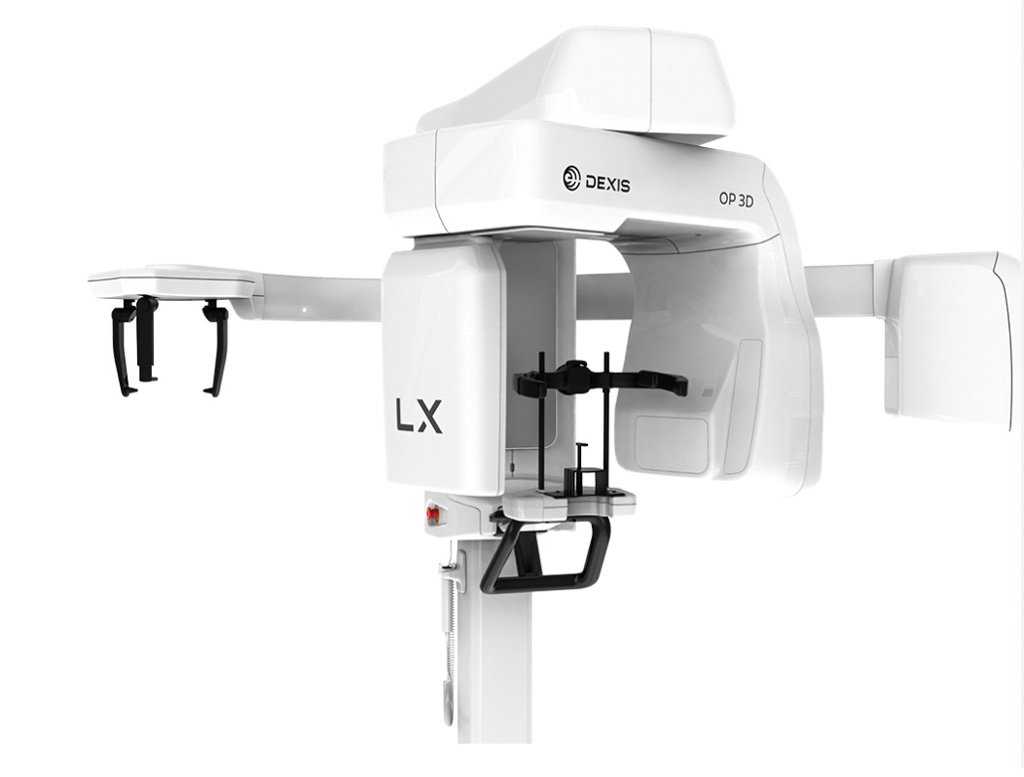
CBCT / 3D Pan
Captures 3D images of teeth, jaws, and bone in-house. Installs can take 4 to 8 weeks from signed order.
A Member Benefit · Equipment Double Check™
Qualifying equipment placed in service by Dec 31, 2026 can be deducted on your 2026 return. As a member, send the quote to CCG before you sign, and we'll check the price in 3–4 business days.
When equipment counts for 2026
Step 4 is the one that counts for 2026.
If your practice is buying equipment this year, these are 5 of our favorite ways to use Section 179. Each one can count toward your 2026 dental equipment tax deduction if it's installed by Dec 31. Each is available at group purchasing pricing.

Captures 3D images of teeth, jaws, and bone in-house. Installs can take 4 to 8 weeks from signed order.

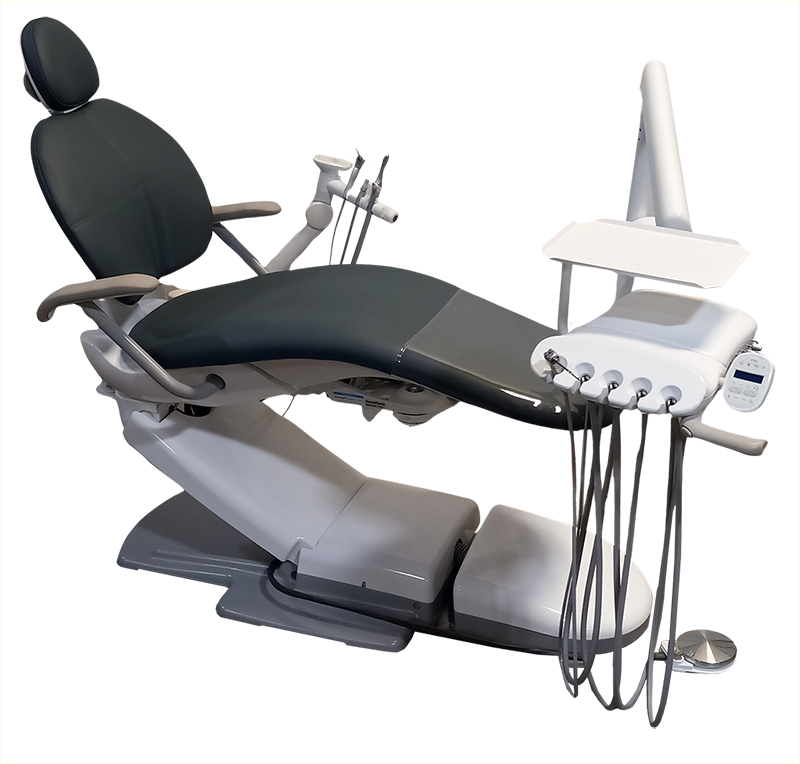
Equips a full treatment room in one purchase. A strong fit if you're adding or replacing an operatory.
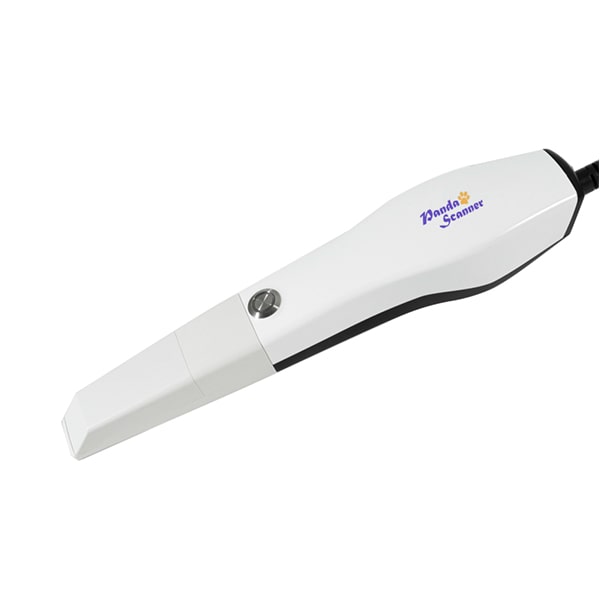
Takes digital impressions chairside. A strong fit if you still take conventional impressions.
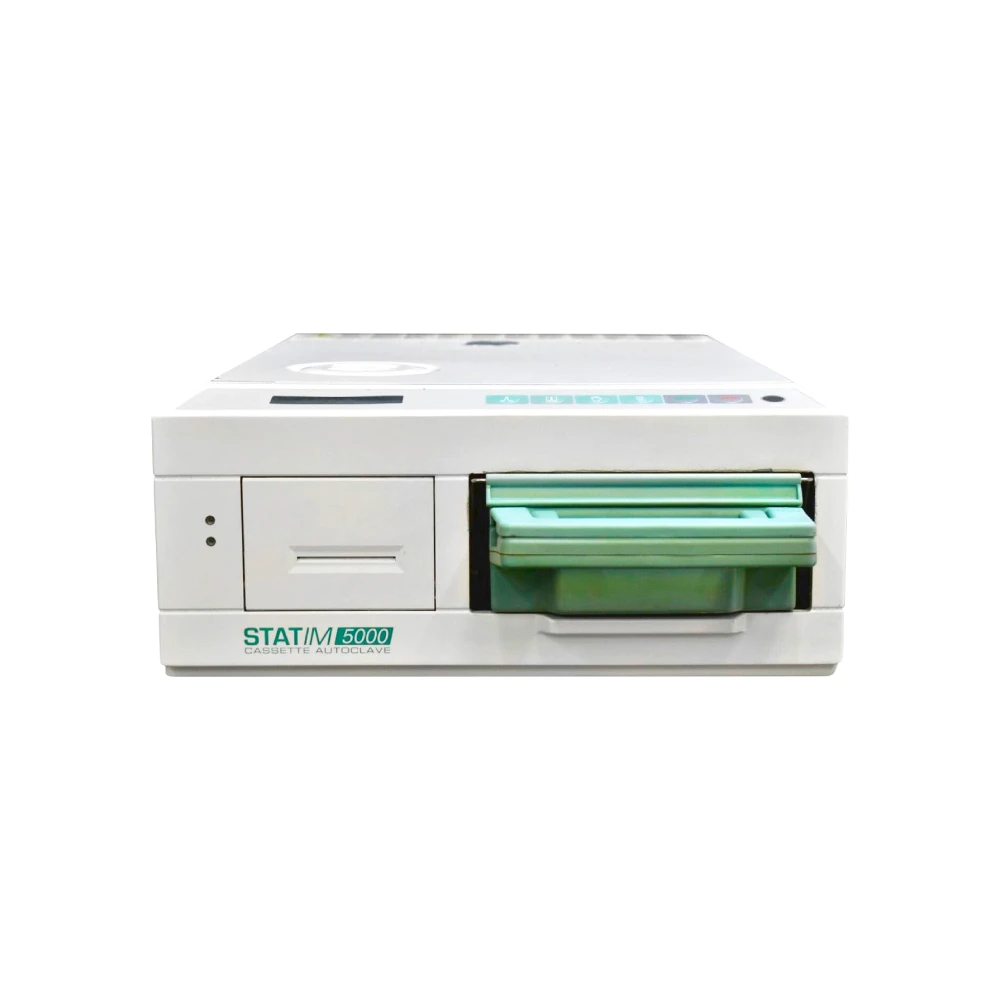
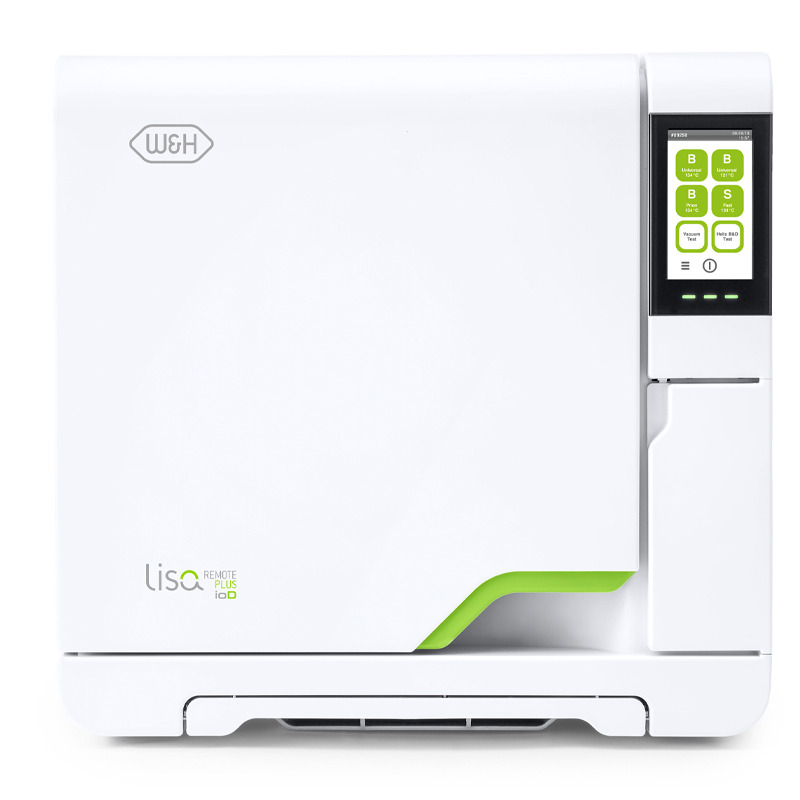
Sterilizes instruments between patients. A strong fit if your current units are due for replacement.
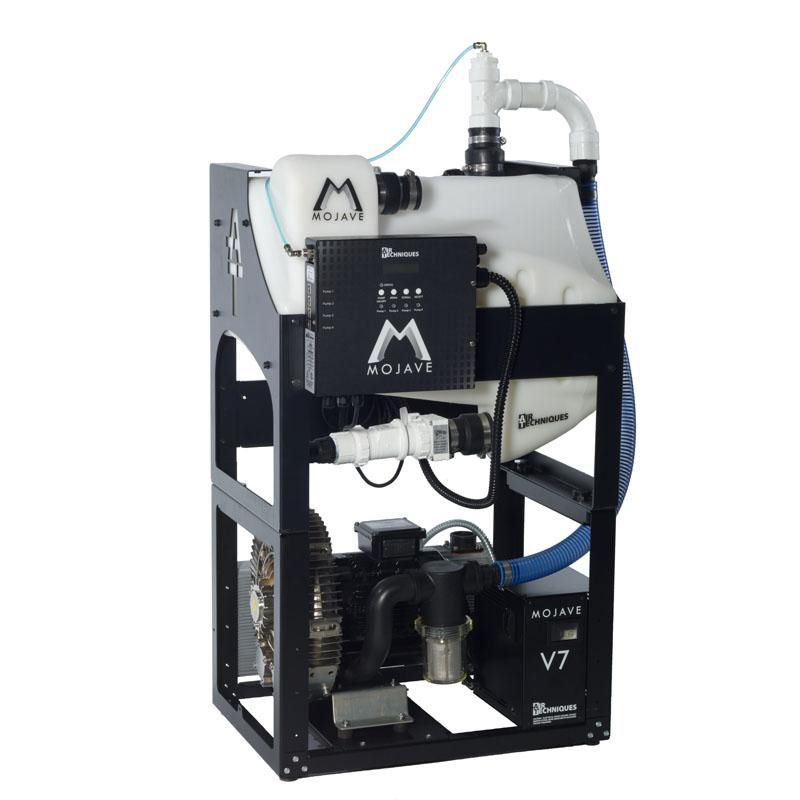
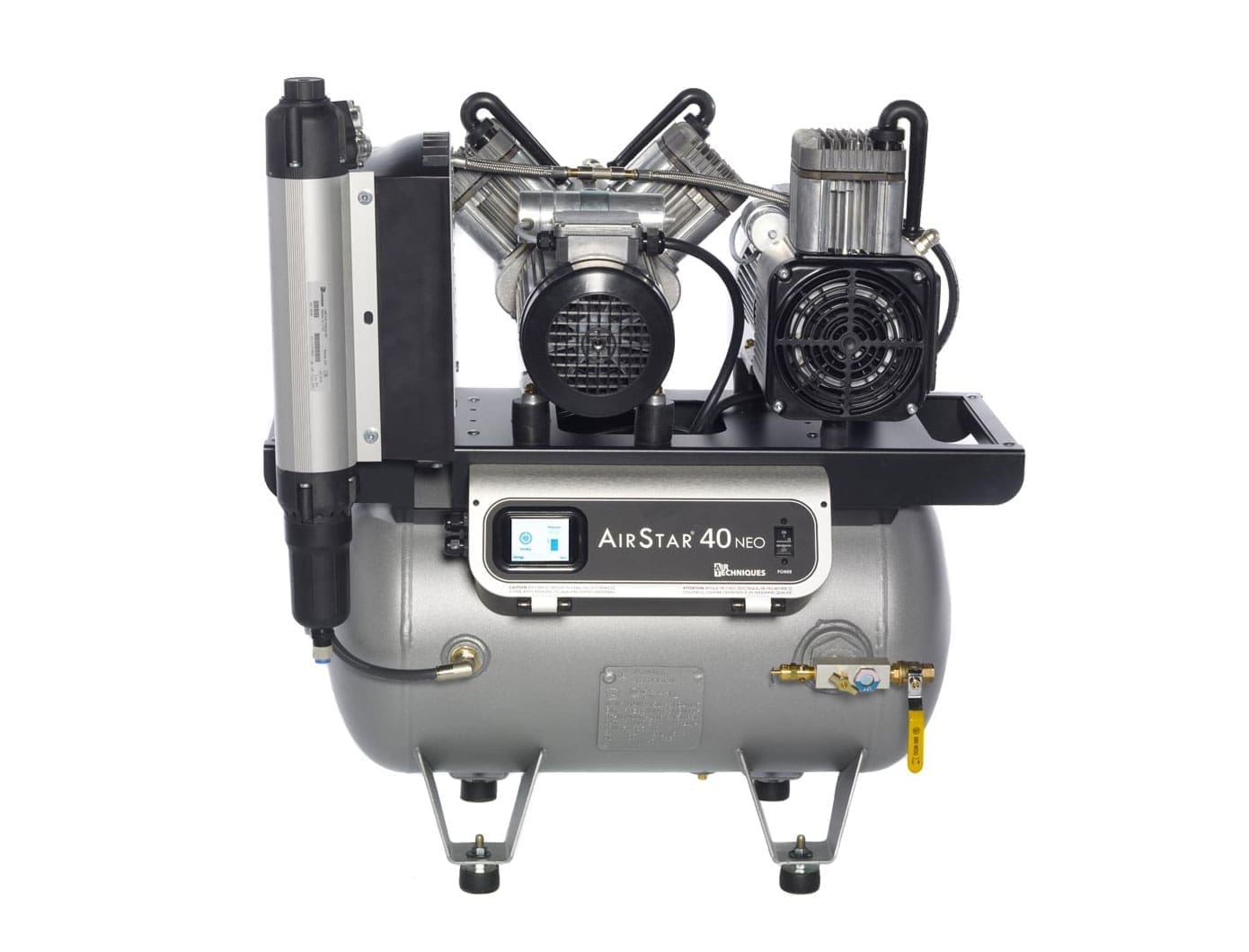
Powers suction and air for every operatory. A strong fit if your current units are aging or you're adding chairs.
Equipping a new office? See CCG's new office buildouts.
Before you deduct it, make sure the price is right. Send the quote to CCG first, and we'll check it across our vendor network.
The equipment above is available at group purchasing pricing. Send a quote for anything else, and we'll compare it.
CBCT / 3D imaging unit
$3,000 saved

“We created Equipment Double Check™ so practices get the best price available without playing procurement cat and mouse on their own. Getting the best price should be easier. Now it is.”
Your membership gives you Equipment Double Check™ with group purchasing pricing applied to your quote.
Email the quote to CCG before you sign. In 3–4 business days, you'll have the savings we found or confirmation that your price is competitive.
Click to copy our email to your clipboard.
Or call CCG: 414-215-9773
For Section 179, dental equipment counts on the 2026 return once it's installed and ready for use by Dec 31, 2026. Dental and orthodontic practices can deduct the full cost of qualifying equipment when they use it more than 50% for business. An order or invoice alone doesn't count.
2026 Section 179 limit $2,560,000 Deductible in the year the equipment is placed in service
Sources: IRS Rev. Proc. 2025-32, §4.24 · P.L. 119-21, §70306 (Section 179) and §70301 (bonus depreciation) · IRS Publication 946
Join the dental practices that get CCG's industry updates on changes like this one, with time to act on them.
Yes. Financed dental equipment qualifies for Section 179 when the practice places it in service during the tax year. The same $2,560,000 limit and income rules apply as for equipment bought outright.
Placed in service means installed and ready for its intended use. Equipment ordered, delivered, or invoiced in 2026 but not yet installed does not qualify for 2026. A CBCT can take 4 to 8 weeks from signed order to first patient scan.
Both let a practice deduct qualifying equipment in the year it goes into service. Section 179 is capped at $2,560,000 for 2026 and limited to taxable business income; unused amounts carry forward. Bonus depreciation is 100% for equipment acquired and placed in service after Jan 19, 2025, with no income limit.
| Rule | Section 179 | Bonus depreciation |
|---|---|---|
| 2026 amount | Up to $2,560,000; phases out above $4,090,000 | 100% for equipment acquired and placed in service after Jan 19, 2025 |
| Income limit | Limited to taxable business income; unused amounts carry forward | No income limit |
| State treatment | Varies; California caps it at $25,000 | CA, NY, NJ, MA, and WI do not follow it |
Several states don't. California, New York, New Jersey, Massachusetts, and Wisconsin do not follow federal bonus depreciation, and California caps Section 179 at $25,000. Ask your CPA how your state treats equipment placed in service in 2026.
Yes. Used dental equipment qualifies the same way new equipment does when the practice buys it from an unrelated party and places it in service during the tax year. The practice must also use it more than 50% for business.